
-

-
Air tool accessories (2)
-
Electric planers & wood jointers (5)
-
Belt & hairline sanders (4)
-
Cut-off / chop saws (1)
-
Air / pneumatic tools (34)
-
Straight & general grinders (3)
-
Circular saws (1)



More about this category
📖 Buyer's guide
What this category is and what jobs it solves
This category covers the powered tools that drive a shop and a job site — both air (pneumatic) and electric. On the air side: sanders, polishers, die grinders, and the accessories and spare-part kits that keep them running. On the electric side: angle grinders, impact drills and rotary hammers, circular saws, cut-off machines, electric planers, and belt and hairline sanders. Thai shops choose air tools where work runs continuously or near sparks and water — body shops sanding and polishing panels, fabrication deburring — because air tools are light, run cool, and can stall without burning out. They reach for electric power tools for grinding and cutting steel, drilling concrete, and planing and sawing timber. The job both solve is throughput with control: removing material and cutting to a line fast, provided the tool is sized to the duty, matched to the right accessory, and fed enough air or power.
Common types & when to use each
| Tool | What it does | When to reach for it |
|---|---|---|
| Air sander / polisher | Sands and polishes continuously | Body work and finishing; cool, light, all-day use |
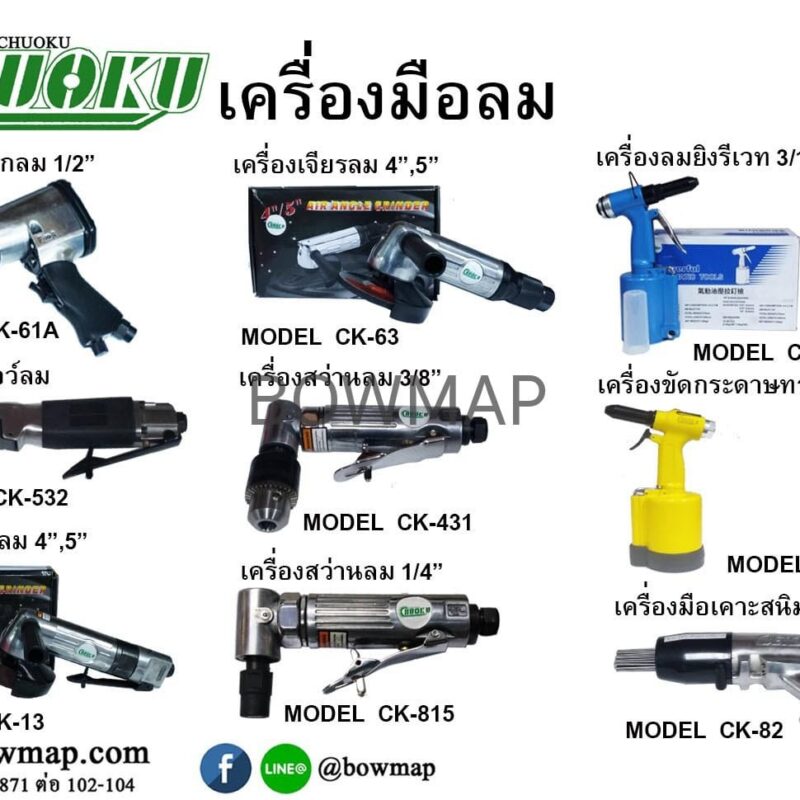
| Air die grinder + accessories | Grinds and deburrs in tight areas | Weld dressing, mould work, with burrs/discs |
| Angle grinder (4 in / 7 in) | Cutting, grinding, finishing | Steel fabrication; 4 in general, 7 in heavy grinding |
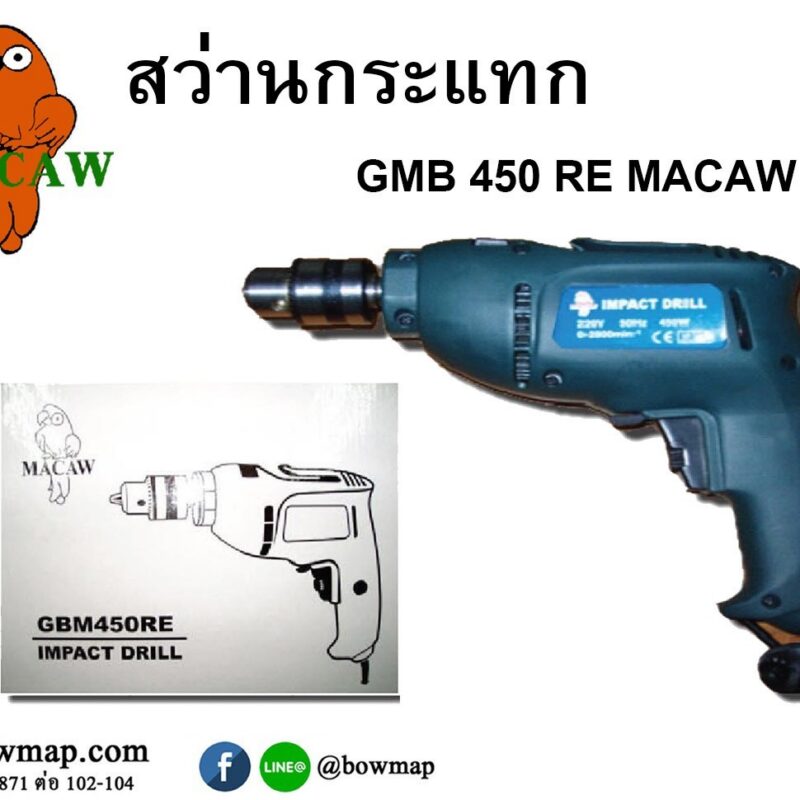
| Impact drill / rotary hammer | Drills masonry and concrete | Anchors and fixings (SDS for hammer drilling) |
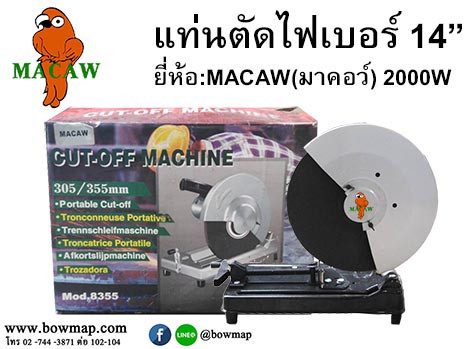
| Circular saw / cut-off machine | Straight cuts in wood / metal | Timber and sheet; profile and bar cutting |
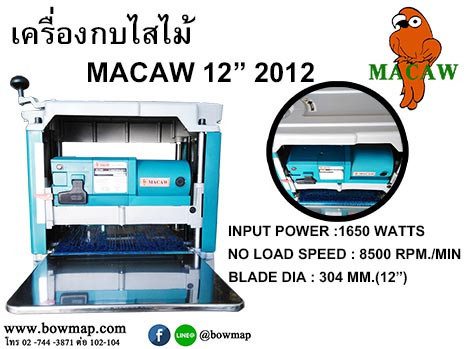
| Electric planer / belt & hairline sander | Shapes and finishes surfaces | Planing timber; surface finishing on metal |
How to choose: practical criteria
- Match the tool to the duty. A light "home" tool won't survive daily shop or site use. Choose one rated for continuous work with the motor power — or air consumption — the job demands.
- Size air tools to your compressor. Every air tool has a CFM and working PSI. If it needs more air than the compressor delivers, it bogs down. Check CFM at the rated PSI, and keep hoses short and adequately sized.
- Always use clean, dry, oiled air. An FRL (filter–regulator–lubricator) and daily oil keep air-tool vanes and bearings alive. Thailand's humidity puts water into dry lines, rusting internals fast.
- For electric, power tells the truth. Bigger jobs need more watts. Undersized tools bog down, overheat, and burn out — check wattage against the work, not just the price.
- The accessory matters as much as the tool. A good grinder with a dud disc, or a saw with a dull blade, performs badly and overloads the motor. Budget for quality discs, blades, and bits matched to the material.
- Right tool for the material. A rotary/SDS hammer for concrete (not a plain drill), a metal blade for steel, a wood blade for timber. Forcing the wrong combination is slow and dangerous.
- Spares, guards, and safety. Buy a brand with available spare parts (vanes, brushes, switches, bearings) so tools get rebuilt, not binned. Never remove a grinder or saw guard, and use earth-leakage (RCD) protection on wet sites.
Common mistakes Thai shops make
On air, the most common is undersizing the compressor — a good tool starves and feels weak, so it gets blamed — followed by running tools on dry, unoiled air, which wears the vanes out in weeks. Water in the line from the humidity rusts internals and spits onto the paint job. On electric, the big one is buying an underpowered tool to save money, then running it hard until the motor burns out. Pairing a good tool with a cheap or worn accessory is just as costly: a quality grinder with a dud disc, or a saw burning the cut with a blunt blade. Using a plain drill on concrete instead of an SDS hammer wrecks bits and overheats the tool. Removing the guard "to see better" is still common and causes serious injuries. And neglecting brushes, bearings, and spare parts until the tool dies — when a cheap part would have saved it — is the quiet money-loser.
BOWMAP products in this category
- Air Sander / Polisher CHUOKU (CK113, 3 in) — continuous-duty sanding and polishing for body and finishing work.
- Hairline Polisher / Brushing Machine CHUOKU (CK-1500 / CK-300) — electric surface-finishing for stainless and metal.
- Angle grinders 4 in & 7 in (BOSCHTAC GWS 6-100 / GWS 23-180) and the 14-inch cut-off machine (MACAW 2000–2300W) — see the Pneumatic & Power Tools category.
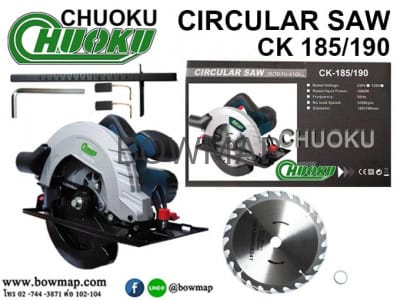
- Electric planers (MACAW 1100 / 1804), circular saws (CK185), impact drills & rotary hammers (MACAW 450-500RE, BOSCHTAC GBH 2-26 DFR), and air-tool spare kits (CK02 / CK52 / CK116) — ask via LINE @BOWMAP.
Note: BOWMAP stocks a broad pneumatic and power-tool range plus spare parts, largely held in catalogue rather than as individual product pages. Contact via LINE @BOWMAP for current models and parts.
❓ FAQ
FAQ
Q1. Air tools or electric — which is better? Air tools are lighter, run cool, can stall without burning out, and suit continuous and spark-sensitive work like body shops — but need a properly sized compressor and clean, dry, oiled air. Electric tools are self-contained and better for site work, heavy grinding, drilling concrete, and woodworking.
Q2. What size compressor do I need for an air tool? Check the tool's air consumption in CFM at its working PSI, then choose a compressor that delivers more than that continuously. A tool that needs more air than the compressor supplies will run weak and stall.
Q3. Why does my power tool overheat or burn out? Usually it's undersized for the job, run continuously without rest, choked by a dull accessory, or has worn carbon brushes. Match the power to the work, use sharp accessories, and replace brushes before they fail.
Q4. Can I drill concrete with a normal drill? Only a small hole, slowly and hard on the tool. For anchors and repeated concrete drilling, use an impact drill or, better, an SDS rotary hammer that hammers as it turns.
Q5. Is it safe to remove the guard to reach tight spots? No. Grinder and saw guards prevent the most serious injuries from disc shatter and kickback. Use a smaller tool or the right accessory — never run with the guard removed.