
More about this category
📖 Buyer's guide
What this category is and what jobs it solves
This category is about making holes and cutting threads — and holding the tools that do it. It covers twist drills and masonry/chisel bits, hand taps and machine taps, dies and die stocks, tap wrenches and die handles, thread-repair tools, and the collets and chucks that grip drills and end mills in a machine. Any shop that drills a hole and then threads it lives here: motorcycle and automotive repair, general fabrication, mould and die work, and maintenance crews fixing stripped threads. The job it solves is a clean, correctly-sized hole and a thread that mates first time — which depends entirely on drilling to the right tapping-drill size, choosing the correct thread standard, and using enough lubricant so the tap cuts instead of tearing.
Common types & when to use each
| Tool | What it does | When to reach for it |
|---|---|---|
| Twist drill (HSS / cobalt) | Drills holes in metal | General drilling; cobalt for stainless and hard steel |
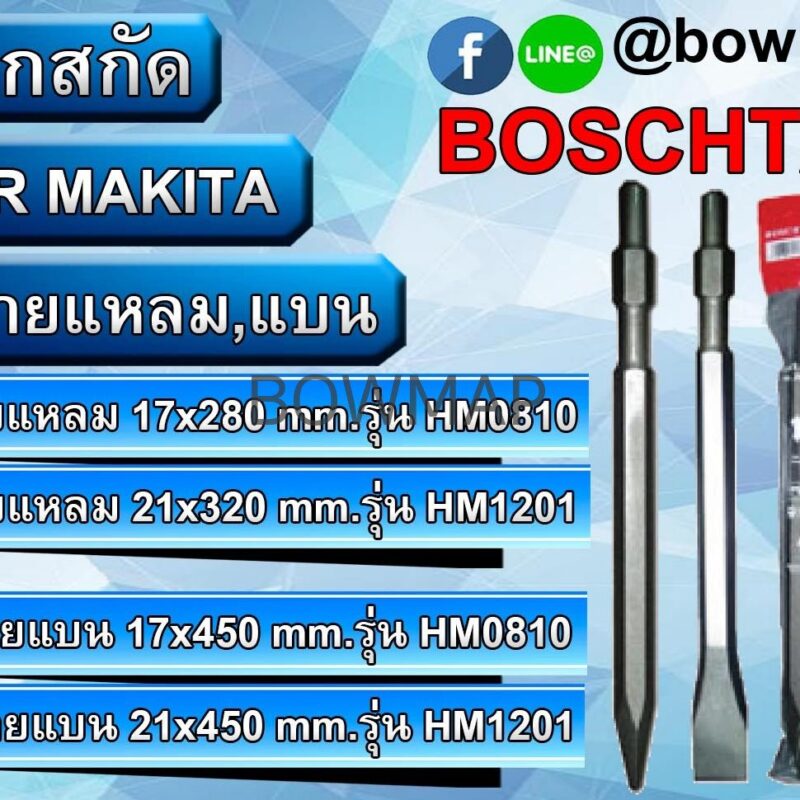
| Masonry / chisel / SDS bit | Drills and chips concrete | Anchors and fixings in concrete and brick |
| Hand taps (taper / plug / bottoming) | Cuts internal threads by hand | Repair, blind holes, bench threading after drilling |
| Machine / point tap (PO) | Powered tapping, pushes chips forward | Through-holes on a drill press, lathe, or tapping machine |
| Die & die stock | Cuts external threads | Threading rod and bolts, chasing damaged threads |
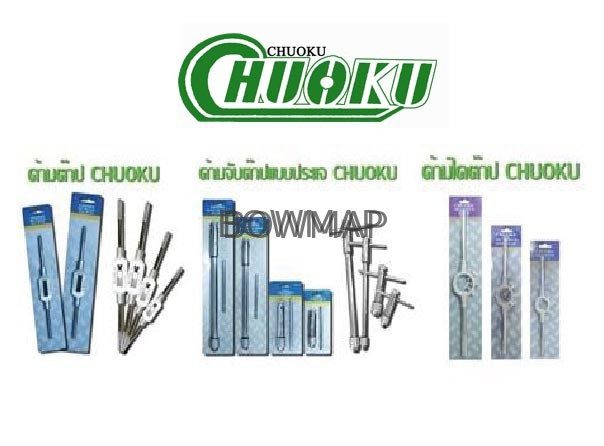
| Tap wrench / die handle | Drives taps and dies | Controlled hand threading |
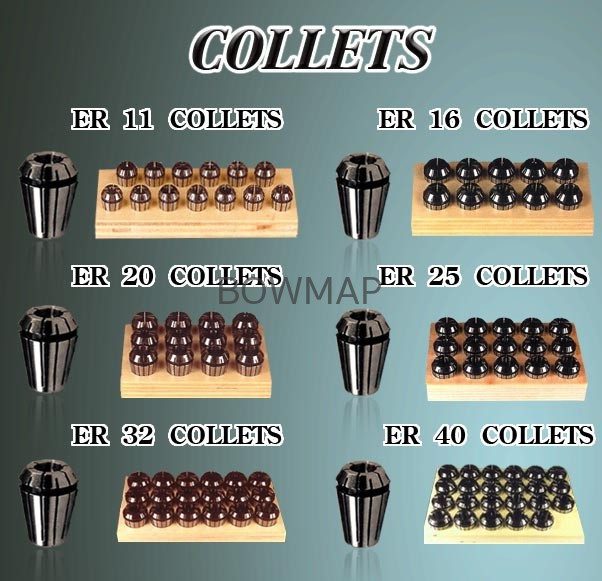
| Collet (ER) / drill chuck | Grips drills and end mills | Holding tooling true in the machine |
How to choose: practical criteria
- Use the right tapping-drill size. A thread tapped in a hole that's too small breaks the tap; too large gives a weak thread. Follow the tapping-drill chart for the thread you're cutting — this is the single most important step.
- Confirm the thread standard before you buy. Metric, BSW, BSF, UNC, UNF, BSP/BSPT and NPT are not interchangeable. Match pitch and form to the mating part, not by eye.
- Buy taps as a set for repair, point taps for production. A taper/plug/bottoming set threads a blind hole cleanly to the bottom; point taps shine when running through-holes in volume.
- Match the drill to the material. Plain HSS for mild steel and aluminium; cobalt for stainless and hard steel; a proper masonry or SDS bit for concrete — never a plain twist drill on concrete.
- Pick the right collet for the shank. ER collets grip a range, but each size has a clamping range — use the correct collet for the tool shank so it runs true and holds.
- Always lubricate tapping and drilling. Cutting fluid is not optional on steel and stainless; dry tapping tears threads and snaps taps. Use the right lubricant for the metal.
- Back off to break the chip. In tapping, reverse a part-turn regularly to clear the chip — especially in blind holes and tough material.
Common mistakes Thai shops make
The biggest is drilling the wrong tapping size, then forcing the tap until it snaps in the hole — turning a quick job into an afternoon of drilling or EDM to remove it. Many shops skip cutting fluid on tapping and drilling to "save time," then get torn threads and walking drills. Using a plain twist drill on concrete instead of a masonry or SDS bit is common, slow, and wrecks both bit and tool. Buying the cheapest tap set with an unknown thread standard leads to threads that "almost" fit — the worst kind. And clamping a drill or end mill in the wrong-size or worn collet lets it slip and run out, ruining the hole and the tool.
BOWMAP products in this category
- Hand Taps HSS 3-pc set (taper / plug / bottoming) CHUOKU — the workhorse for bench and repair threading.
- Machine Point Tap (PO) CHUOKU — straight-flute point tap for powered through-hole tapping.
- Twist drills (BOSCHTAC, NACHI — metric & inch) and SDS / masonry bits — see the Drilling & Threading category.
- Dies, die-taps, tap wrenches and die handles (CHUOKU) — for external threading and thread repair; see the Drilling & Threading category.
- ER collets and drill chucks — for holding drills and end mills true — see the collet subcategory or ask via LINE @BOWMAP.
Note: BOWMAP stocks a wider drilling/threading range (full drill sets, die-taps, collets, tap wrenches) than is currently published as individual product pages. Contact via LINE @BOWMAP for the full list.
❓ FAQ
FAQ
Q1. What drill size do I use before tapping a thread? Use the tapping-drill size for that specific thread (for example, the chart size for M8×1.25). Too small snaps the tap; too large gives a weak thread. Always check a tapping-drill chart rather than guessing.
Q2. What's the difference between a taper, plug, and bottoming tap? The taper tap has the most lead-in and starts easily; the plug is the general-purpose middle; the bottoming tap has almost no chamfer so it threads to the bottom of a blind hole. For blind holes use all three in order.
Q3. Why do my taps keep breaking? Usually the wrong tapping-drill size, no cutting fluid, the wrong thread standard, or not reversing to break the chip in a blind hole. Drill the correct size, lubricate, confirm the pitch, and back off regularly.
Q4. Can I drill concrete with a normal HSS drill? Only barely, and you'll ruin the bit. Use a masonry bit, or better an SDS rotary hammer bit, which hammers as it turns and is made for concrete and brick.
Q5. Which ER collet do I need for my tool? Choose the collet whose clamping range covers your tool's shank diameter. Each ER size (ER11, ER16, ER20, ER25, ER32, ER40) spans a range — use the correct one so the tool runs true and grips properly.