
-

-
Wool polishing pads (2)
-
Sanding backing pads (hook-and-loop / adhesive) (1)
-
Flap discs (1)
-
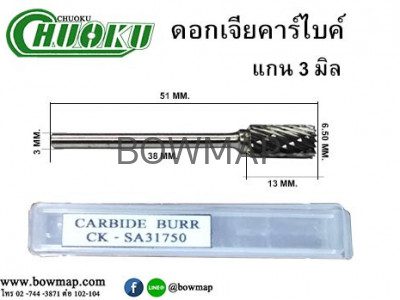
Carbide burrs (1)
-
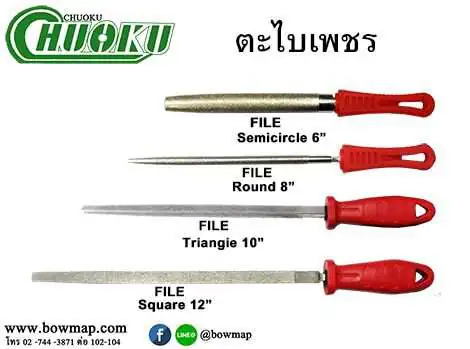
diamond file (1)
-
Polishing wheels / buffs (11)
-
Scotch-Brite (15)
-
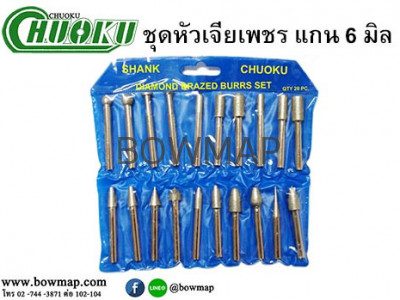
Diamond burrs / diamond discs (3)
-
Grinding wheels (3)
-
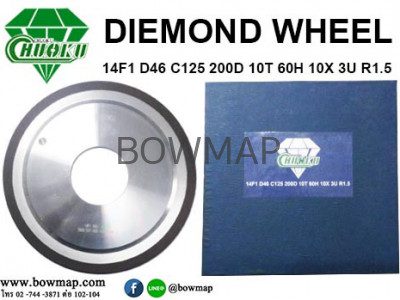
Diamond stones / diamond wheels (5)
-
Grinding wheel dressers (1)
-
Wire brushes (3)
-
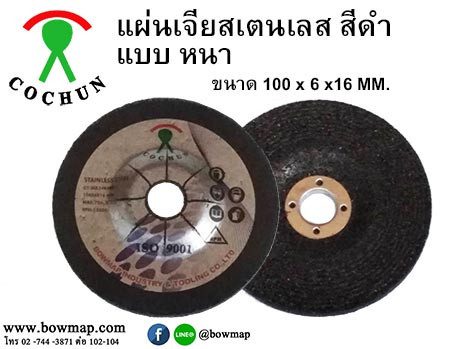
Grinding discs (2)
-
Cutting lubricant (whale oil) (1)


/จานจับกระดาษทรายหลังสักหลาด_โชกุ_title_img_1.jpg)





More about this category
📖 Buyer's guide
What this category is and what jobs it solves
This is the abrasive category — everything that grinds metal to shape and finishes the surface, from heavy stock removal to a mirror polish. It covers cut-off and grinding discs, bench and cup grinding wheels, flap discs, wire brushes, non-woven (Scotch-Brite-type) pads, rolls and wheels, hairline-finishing tools, diamond wheels, files and burrs for carbide and stone, wheel dressers, and polishing compounds. Thai shops use it all day: fabricators grinding welds and cutting steel, stainless workers putting a uniform hairline or satin finish on sinks and panels, jewelers and stone workers using diamond abrasives, tool rooms sharpening carbide, and anyone dressing a worn grinding wheel back to true. The job it solves is controlled material removal and a consistent surface — fast where you need speed, fine where you need finish, without burning the work or wrecking the wheel. It is also the most safety-critical category: a disc rated for the wrong material or speed can shatter.
Common types & when to use each
| Tool | What it does | When to reach for it |
|---|---|---|
| Cut-off disc (metal / inox) | Slices steel, pipe, profiles | On-site cutting; inox discs on stainless |
| Grinding disc / cup & bench wheel | Removes welds and stock; sharpens | Heavy grinding; bench grinding and tool sharpening |
| Flap disc / sanding pad | Grinds and finishes in one pass | Blending welds and curved parts |
| Non-woven pad / roll / wheel | Deburring, cleaning, satin finish | Hand and powered surface finishing |
| Hairline finishing tool & belt | Straight-grain "hairline" finish | Stainless sheet, panels, decorative metal |
| Diamond wheel / file / burr + dresser | Grinds carbide, stone, glass; trues wheels | Carbide sharpening, stone/glass, dressing wheels |
How to choose: practical criteria
- Match the abrasive to the material — and check the max RPM. A disc made for mild steel isn't safe or effective on stainless or aluminium. Use inox discs on stainless. And never fit a disc rated below your grinder's speed — the number one safety rule.
- Thin for cutting, thick for grinding. Thin cut-off discs (1–1.6 mm) cut fast with less heat; thicker discs grind and survive side load. Never grind with a cut-off disc.
- Step through the grits. Coarse cuts and removes scratches, medium blends, fine produces the satin. Skipping grades just polishes the scratches instead of removing them.
- Diamond is for hard, non-ferrous materials. Use diamond on carbide, glass, ceramic, and stone — not plain steel, where it reacts with iron and wears fast. Resin-bond for cool, fine carbide sharpening; metal-bond/electroplated for stone and stock removal.
- Keep separate abrasives per metal. Iron particles from carbon steel embed in stainless and rust later. Keep stainless, mild-steel, and aluminium abrasives apart.
- Run non-woven and diamond cool. Too much speed or pressure glazes non-woven and burns stainless blue-brown; it also burns diamond bonds. Lighten up and let the abrasive cut.
- Keep a wheel dresser. A diamond dresser trues a glazed or out-of-round bench wheel in seconds — it pays for itself in better finishes and longer wheel life.
Common mistakes Thai shops make
The most dangerous is fitting a disc rated below the grinder's RPM, or using a cracked or dropped disc — both can explode at speed and have cost fingers and eyes on Thai sites. Grinding with a thin cut-off disc is close behind; the side load snaps it. On finishing, jumping straight to a fine wheel "to save a step" just polishes the scratches, and running non-woven abrasives at full speed glazes them and scorches stainless. Using the same wheels on steel and stainless leaves embedded iron that rusts weeks later. With diamond, the classic error is using a diamond wheel on ordinary steel (it wears out fast) or grinding carbide dry and heavy until it chips and the wheel glazes. And many shops never dress their conventional wheels, buying new ones instead of restoring them.
BOWMAP products in this category
- Grinding Cup Wheel MACAW (4–5 in, #46/#60/#80) and Concrete Grinding Disc 380 mm MACAW — bench/angle grinding and concrete work.
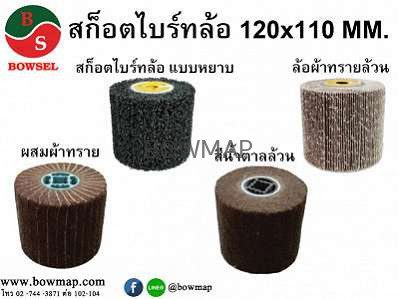
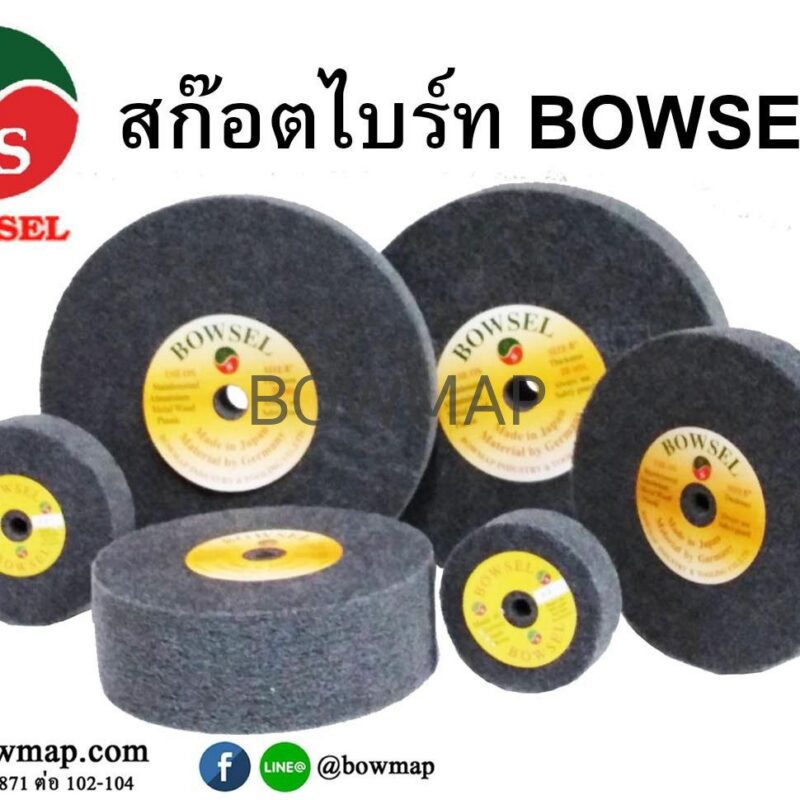
- 8-inch Non-Woven Polishing Wheel BOWSEL, Scotch-Brite Roll 3CC / BOWSEL, and Scotch-Brite Pads / Sheets — deburring and satin finishing.
- Hairline Polisher CHUOKU (PBA1500 / CK-1500 / CK-300) — straight-grain hairline finish on stainless.
- Diamond File CHUOKU (6–12 in) and Diamond Blade 4 in CHUOKU Electroplate — carbide, stone, ceramic, and fine cutting.
- Diamond grinding wheels, dressers, flap discs, and wire brushes — see the Grinding & Finishing category or ask via LINE @BOWMAP.
❓ FAQ
FAQ
Q1. Can I use a cut-off disc for grinding? No. Cut-off discs are thin and for edge cutting only; side pressure from grinding can shatter them. Use a proper depressed-centre grinding disc for grinding.
Q2. How do I know a disc is safe for my grinder? Read the maximum RPM printed on the disc and compare it to your grinder's no-load speed. The disc rating must be equal to or higher than the grinder. Never fit a disc rated lower.
Q3. Why does my stainless rust or turn blue after grinding? Rust comes from iron particles left by a standard steel disc — use inox discs and keep them separate. The blue-brown colour is heat from running too fast or pressing too hard — lower the speed and ease off.
Q4. Can I grind regular steel with a diamond wheel? No. Diamond reacts with iron at grinding temperatures and wears out quickly on steel. Use diamond on carbide, glass, ceramic, and stone; use conventional or CBN wheels for steel.
Q5. What grit sequence gives a clean satin finish? Start coarse enough to remove the deepest scratch, then step through medium to fine without skipping a grade. Each stage erases the previous stage's marks.