
-

-
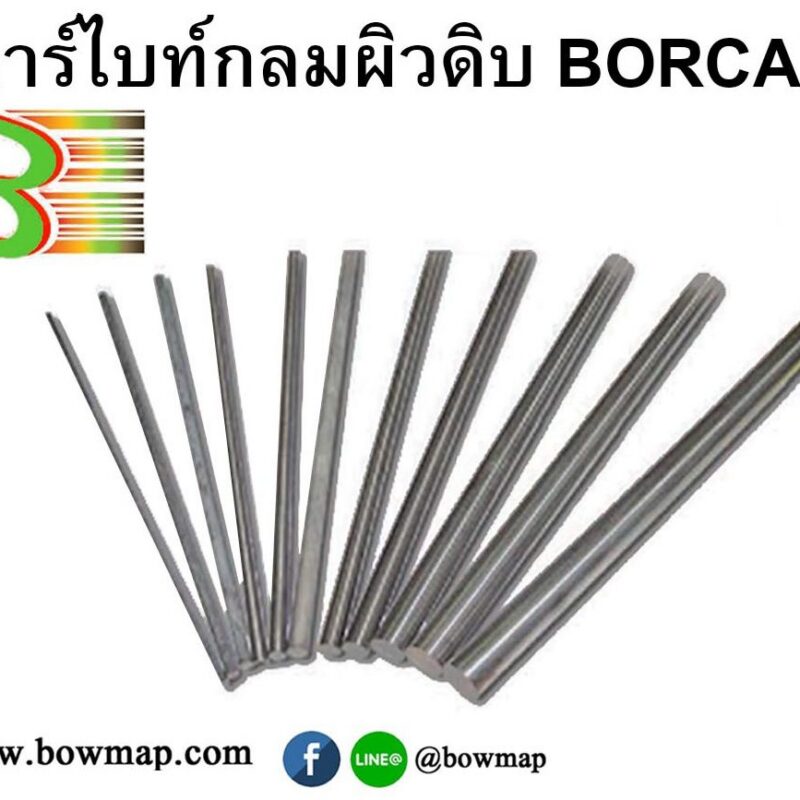
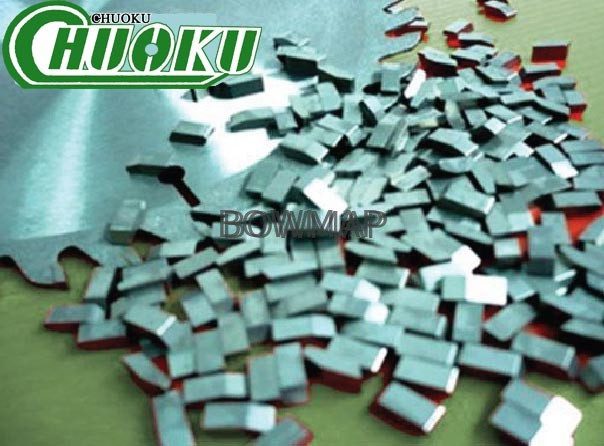
Carbide plate / strip (2)
-
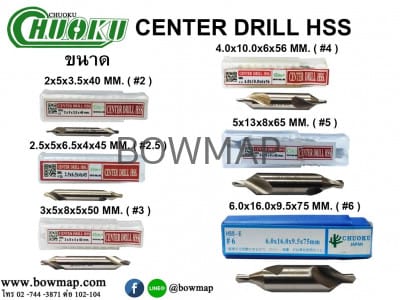
Centre drills (1)
-
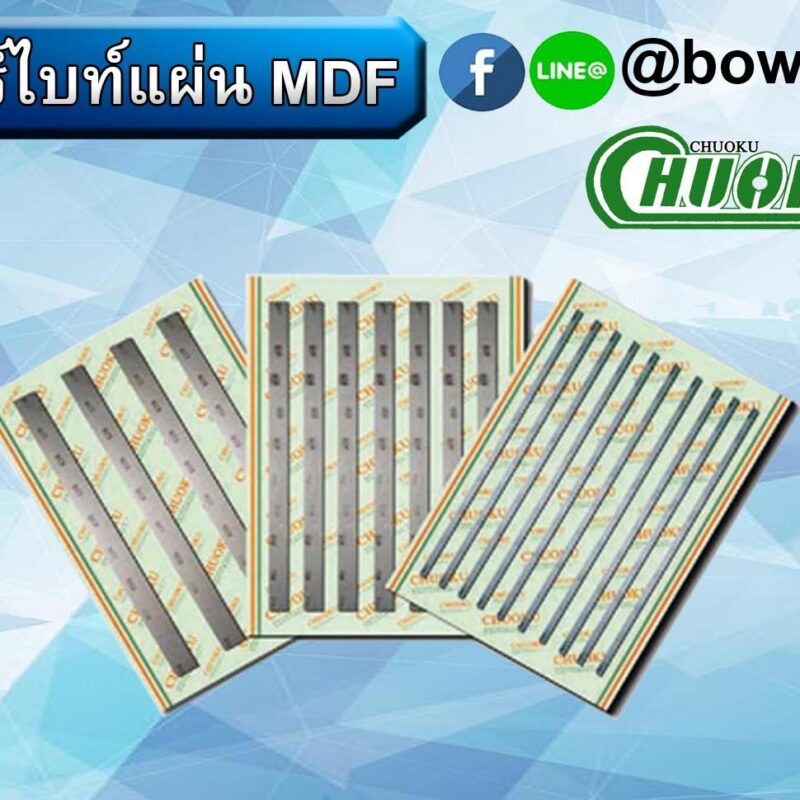
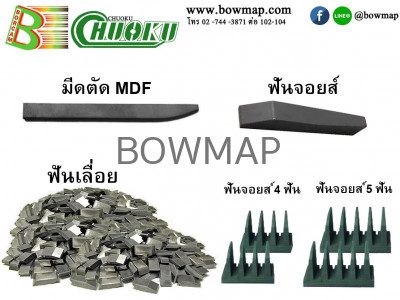
MDF joint cutters (2)
-
Saw blades (2)
-
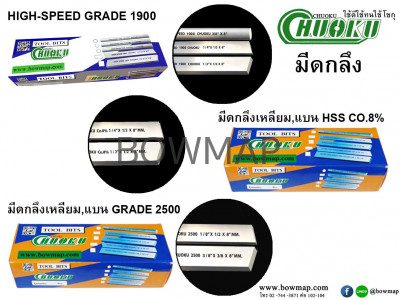
Lathe tool bits (2)
-
carbide turning tool (1)
-
Parting / cut-off tools (2)
-
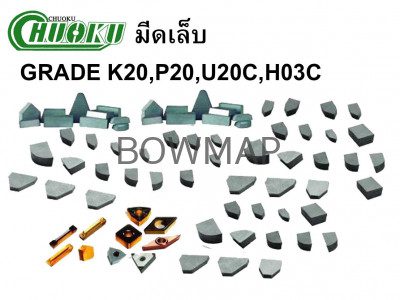
Carbide insert tips (4)
-
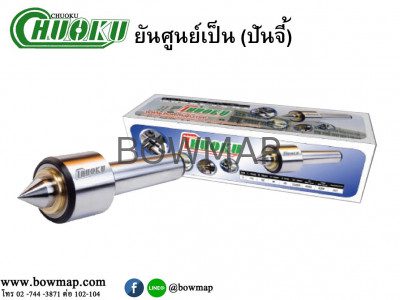
Lathe centres (1)
-
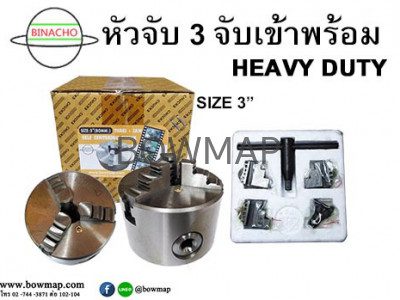
Lathe chucks (6)
-
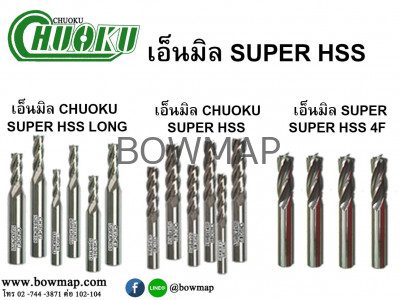
End mills (15)
-
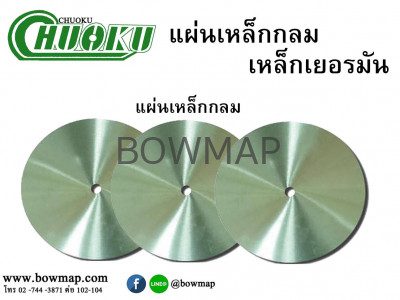
Circular steel blanks (1)
-
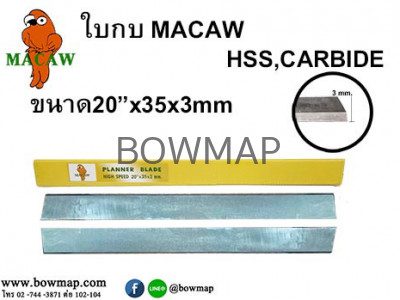
Planer blades (6)
-
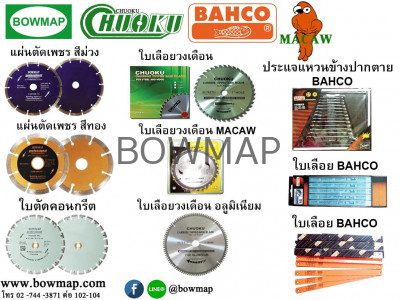
Saw blades / cutting discs (15)


More about this category
📖 Buyer's guide
What this category is and what jobs it solves
This is the metal-cutting heart of the workshop: everything that shapes a part on a lathe or milling machine, plus the carbide and blades that do the cutting. It covers lathe tool bits and turning tools, lathe chucks and live centres that hold the work, end mills for milling machines, tungsten-carbide rod, plate, inserts and brazed tools, and the planer, saw, and cutting blades that bring stock to size. If you run a manual lathe or CNC, build moulds and dies, manufacture automotive parts, or machine fittings to a drawing, this is where the work happens. Choose well and you hold tolerance, get a clean finish, and the tool lasts; choose badly and you burn tools, chatter the surface, and scrap material — the most expensive mistake in any machine shop.
Common types & when to use each
| Tool | What it does | When to reach for it |
|---|---|---|
| HSS lathe tool bits (1900 / 2500 / Co.8%) | Single-point turning, facing, grooving | General lathe work; cobalt (Co.8%) for harder, hotter cuts |
| Lathe chuck (3-jaw / 4-jaw) + live centre | Holds and supports the workpiece | 3-jaw for round bar, 4-jaw for off-centre/square, centre for long shafts |
| HSS / Super-HSS end mill | Mills slots, faces, profiles | Steel and general milling; Super-HSS holds an edge at higher speed |
| Carbide (rod / plate / insert / brazed tool) | Cuts hard, abrasive, high-volume work | Hardened steel, cast iron, MDF, production runs |
| Planer / jointer blade (HSS / carbide) | Shaves timber flat and smooth | Wood planing; carbide for hardwood and long runs |
| Saw blade / cutting blade / round blank | Cuts stock to length | Cut-off and circular sawing; blanks for custom blades |
How to choose: practical criteria
- Match the tool material to the work. Plain HSS suits mild steel and aluminium; step up to Super-HSS or cobalt for stainless, tool steel, and long runs; move to carbide for hardened, abrasive, or high-volume work.
- Get the carbide grade right. K-grades suit cast iron and non-ferrous, P-grades suit steel. The wrong grade chips or wears fast — this is the single biggest factor with carbide.
- Pick the chuck for the part, not the lathe. Round bar lives in a 3-jaw self-centering chuck; off-centre, square, or must-run-true work needs a 4-jaw independent; long shafts need a live centre.
- Choose flute count for the job. Two flutes clear chips in aluminium and slotting; four flutes give a finer finish and run faster in steel.
- Run carbide fast, HSS moderate. Carbide needs higher surface speed and hates rubbing at low RPM; running it slow glazes and chips it. HSS, by contrast, overheats if pushed to carbide speeds.
- Mind rigidity and overhang. A long tool hanging out of the holder, or carbide on a worn, sloppy lathe, will chatter and chip. Use the shortest tool that reaches and a tight setup.
- Match blades to material. Metal-rated blades for steel, wood blades for timber, aluminium-specific geometry for non-ferrous; carbide-tipped blades pay back fast on abrasive board.
Common mistakes Thai shops make
The most common is running HSS at carbide speeds — it overheats and loses its edge in minutes — or the reverse, running carbide too slowly so it rubs, builds heat, and chips. Using one carbide grade for everything is close behind: a P-grade on cast iron or a K-grade on steel wears or fractures and gets blamed on "bad carbide." Many shops fit carbide to a worn lathe or take an interrupted cut with a smooth-cutting grade and chip the edge on the first pass. On the holding side, plenty keep using a 3-jaw chuck for work with run-out when a 4-jaw would dial it true in two minutes. And on the wood and cut-off side, shops run dull planer and saw blades far too long, burning the material and overloading the motor.
BOWMAP products in this category
- 3-Jaw & 4-Jaw Lathe Chucks BINACHO — self-centering and independent, all common sizes.
- HSS Lathe Tool Bits 1900 / 2500 / Co.8% CHUOKU — round, square, and flat bits for general turning.
- Super-HSS End Mill 4-Flute CHUOKU — full range φ1.5–φ38 mm for steel milling.
- Carbide Plate CHUOKU / BORCAM K10F and Carbide Tips / Inserts K20 / P20 / U20C / H03C — graded carbide for hard and production cutting.
- Carbide Turning Tool CHUOKU — brazed single-point tool for hard turning.
- Planer Blades HSS / Carbide MACAW and Custom Circular Saw Blades / Round Blank CHUOKU — blades and blanks for cutting to size.
❓ FAQ
FAQ
Q1. HSS or carbide — which should I use? HSS suits mild steel, aluminium, and occasional work and is cheaper to buy and resharpen. Carbide is worth the cost on hard or abrasive materials, high-volume production, and where tight tolerances must hold across many parts.
Q2. What do carbide grades like K10, K20, P20 mean? They classify the carbide for a material group: K-grades for cast iron and non-ferrous, P-grades for steel, M-grades for stainless/mixed. The number reflects the balance of hardness and toughness. Match the grade to what you cut.
Q3. When do I need a 4-jaw chuck instead of a 3-jaw? Use a 4-jaw independent chuck for square stock, irregular shapes, or any part that must run concentric to an existing bore. A 3-jaw self-centering chuck is faster but only for round, symmetrical work.
Q4. How many flutes should an end mill have? Two flutes for aluminium and slotting (better chip clearance), four flutes for steel and finishing (better finish and higher feed). It's a trade-off between chip room and edge support.
Q5. Why does my carbide tool chip so easily? Carbide is hard but brittle. Chipping usually comes from a non-rigid setup, an interrupted cut with the wrong grade, running too slowly, or shock on entry. Tighten the setup, pick a tougher grade for interrupted cuts, and use the correct speed.